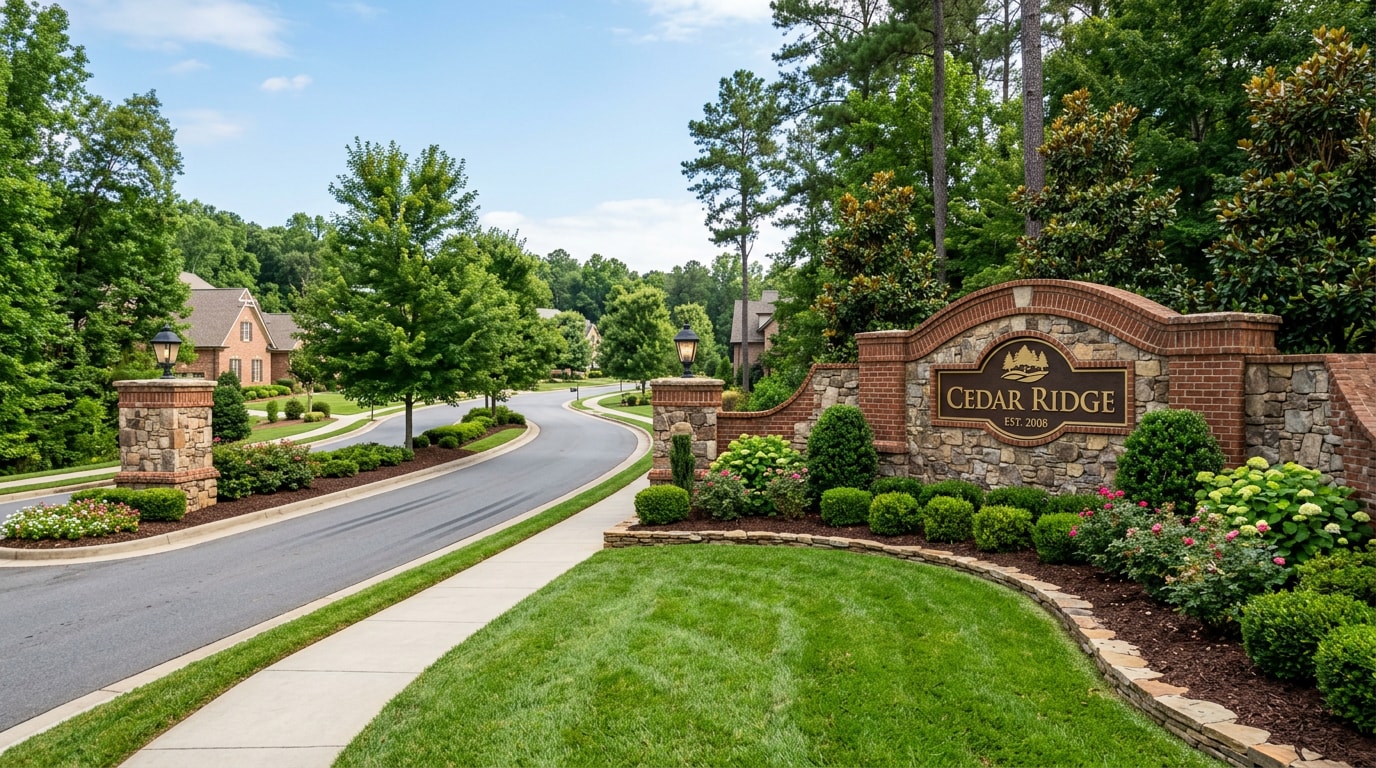
Finding dependable HOA landscaping in Garner, NC means more than hiring someone to mow the common areas well. Boards need a vendor who understands North Carolina's maintenance laws, Garner's red clay, and how to keep an entrance, median, and clubhouse lawn looking the same every week, all year. Here's what actually separates a crew that shows up from one that protects your community's property values.
What HOA Landscaping Includes in Garner, NC
A complete HOA landscaping contract covers more ground than a residential mow-and-go visit. Most Garner communities need a mix of routine and seasonal work spread across common areas, entrances, and amenity spaces.
- Mowing, edging, and string-trimming on a growth-based schedule
- A seasonal fertilization program for turf health
- Core aeration and overseeding for compacted common-area lawns
- Bed weeding, shrub pruning, and mulch refresh
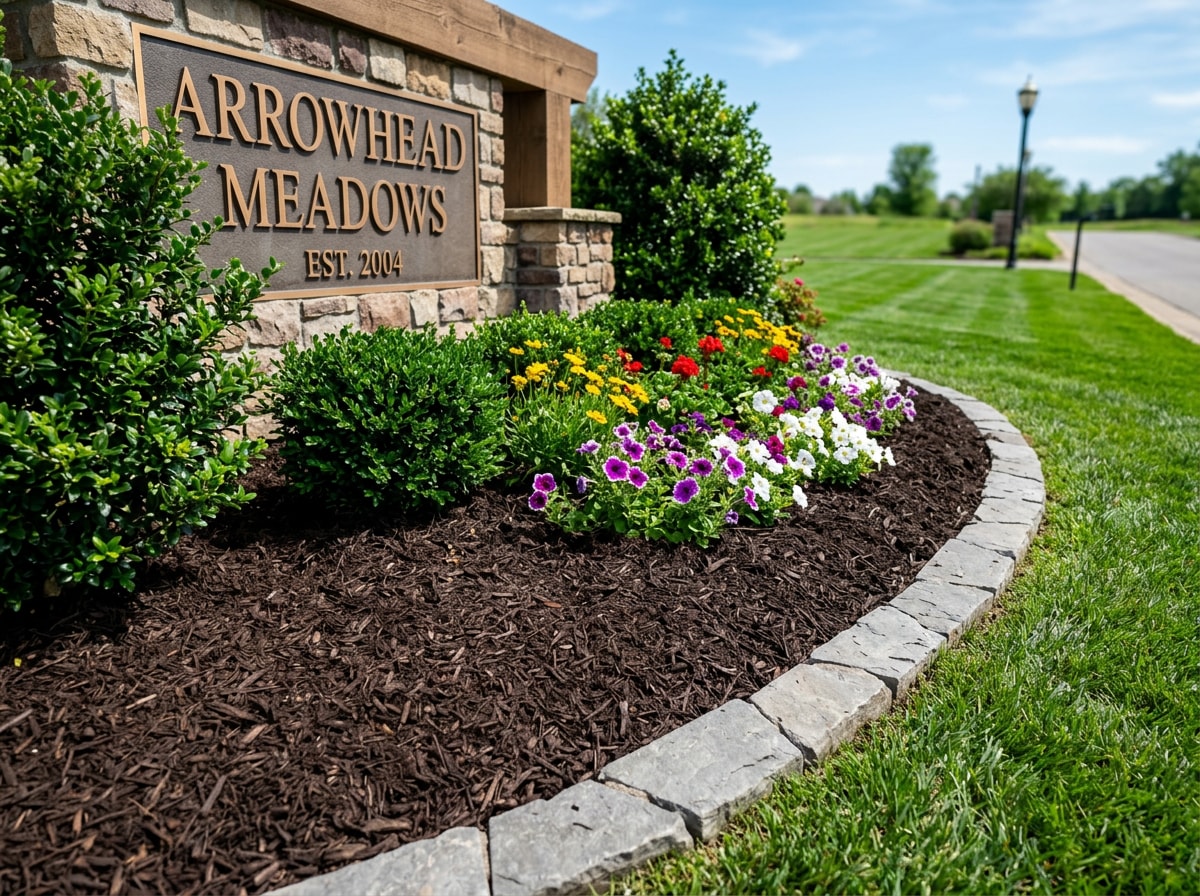
- Seasonal color rotations at entrances and signage
- Irrigation checks and spring/fall cleanup
- Storm debris and litter removal in shared spaces
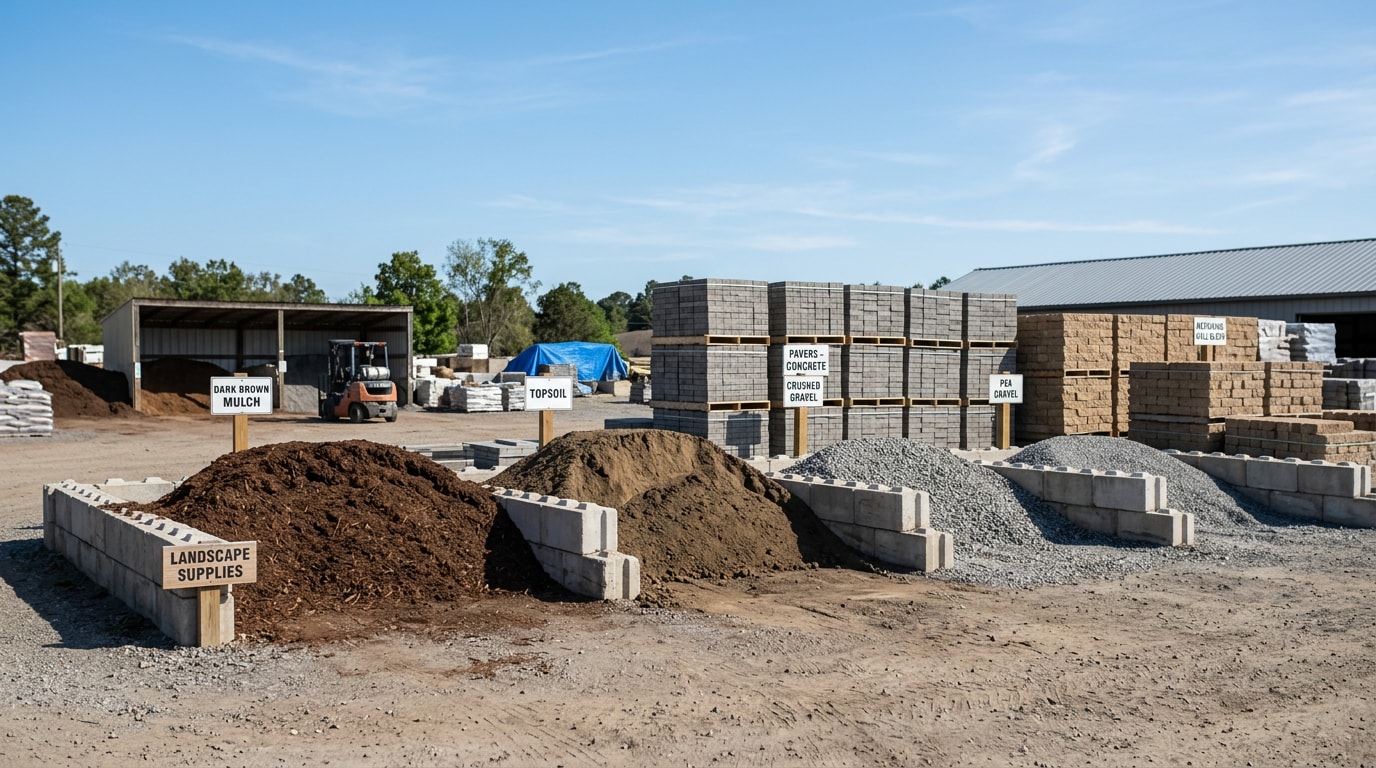
Mulch deserves its own line item in most Garner HOA budgets, since beds around entrances and common areas need refreshing at least once a year to suppress weeds and hold moisture through the summer. Our companion guide on mulching costs and timing in Garner breaks down pricing by bed size if your board is building next year's budget.
Who Is Legally Responsible for HOA Landscaping in North Carolina?
This is the question most boards never actually get answered, and it matters more than any mowing schedule.
North Carolina law makes the association, not individual owners, responsible for maintaining, repairing, and replacing common elements unless the declaration says otherwise , which is why most entrance beds, medians, and shared green space fall on the HOA's budget rather than a resident's. Homeowners are typically on the hook for their own lot and anything built on it. The exact line between the two almost always comes down to your community's CC&Rs, not a general rule of thumb.
The Community Associations Institute supports communities' authority to set enforceable rules governing landscaping practices for common areas and individual lots alike , which is why boards are within their rights to require specific plant lists, lawn height, or mulch standards, as long as those rules are written into the governing documents and applied consistently.
A contractor who has not read your CC&Rs before quoting the job is guessing at scope. That guesswork is where disputes between boards, homeowners, and vendors usually start.
What to Expect From a Garner HOA Landscaping Partner
HOA boards need more than a crew that mows a few yards well. Community-scale landscaping demands consistency across entrances, medians, and shared green space.
A professional HOA landscaping company differs from a residential-only outfit in a few clear ways:
- It can handle multiple acres on a fixed, documented schedule
- It puts pricing and scope in writing, matched to your governing documents
- It responds to the board or property manager, not individual homeowners, for scope questions
- It has backup crews available during peak spring and fall seasons
| Contract Type | Typical Scope |
|---|---|
| Standard HOA Maintenance | Mowing, edging, bed weeding, basic shrub trimming, trash and debris pickup in common areas |
| Enhanced / Full-Service | All standard items, plus fertilization program, aeration and overseeding, seasonal color rotations, irrigation checks, and annual mulch refresh |
If your current vendor can't produce a written scope that maps to this table, that's worth raising at the next board meeting. You can see how our own landscape contractor services are scoped and priced, or request a quote to compare against what your community currently pays.
Garner-Specific Landscaping Considerations
A generic statewide maintenance plan rarely fits Garner. Two local factors change what a realistic HOA landscaping budget actually looks like here.
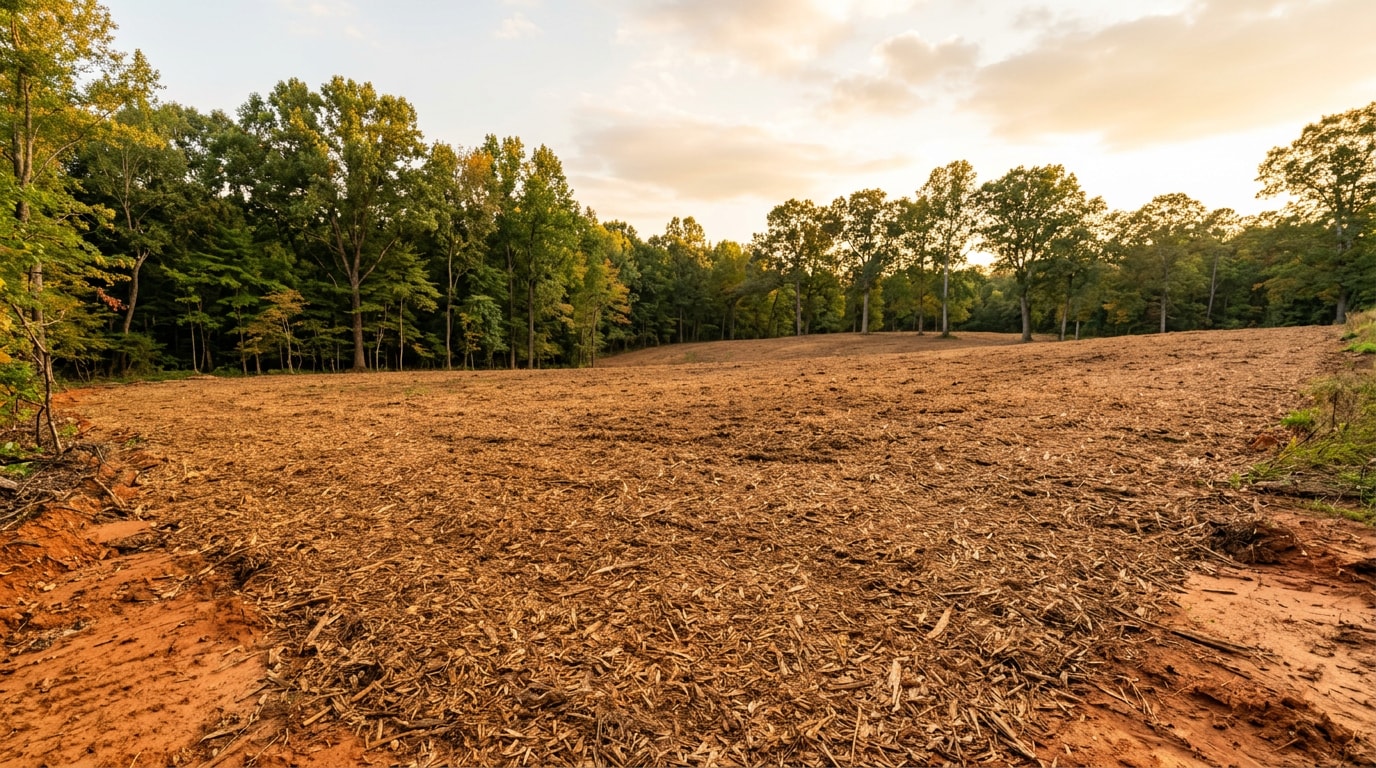
Clay soil. Garner sits on the Piedmont's heavy red clay, which compacts easily and sheds water instead of absorbing it. Common areas that get regular foot and mower traffic, like entrance lawns and dog-walk paths, compact faster than a typical backyard. That's why core aeration needs to happen on a schedule, not just when the lawn starts to look thin.
The transition zone. Garner falls in the Piedmont's turfgrass transition zone, where winters are often too cold for warm-season grasses and summers are too hot for cool-season fescue to hold up without extra care, so the microclimate of each site should guide grass selection . A shaded common area near mature trees and a full-sun entrance median often need two different turf strategies, even on the same property.
Local ordinance. Garner's Unified Development Ordinance places upkeep on the property owner or agent, and notes that a regular, proper maintenance program cuts down on disease, insect problems, weeds, and watering issues . For HOAs, that means a lapsed maintenance contract isn't just a curb-appeal problem, it can become a compliance issue with the Town.
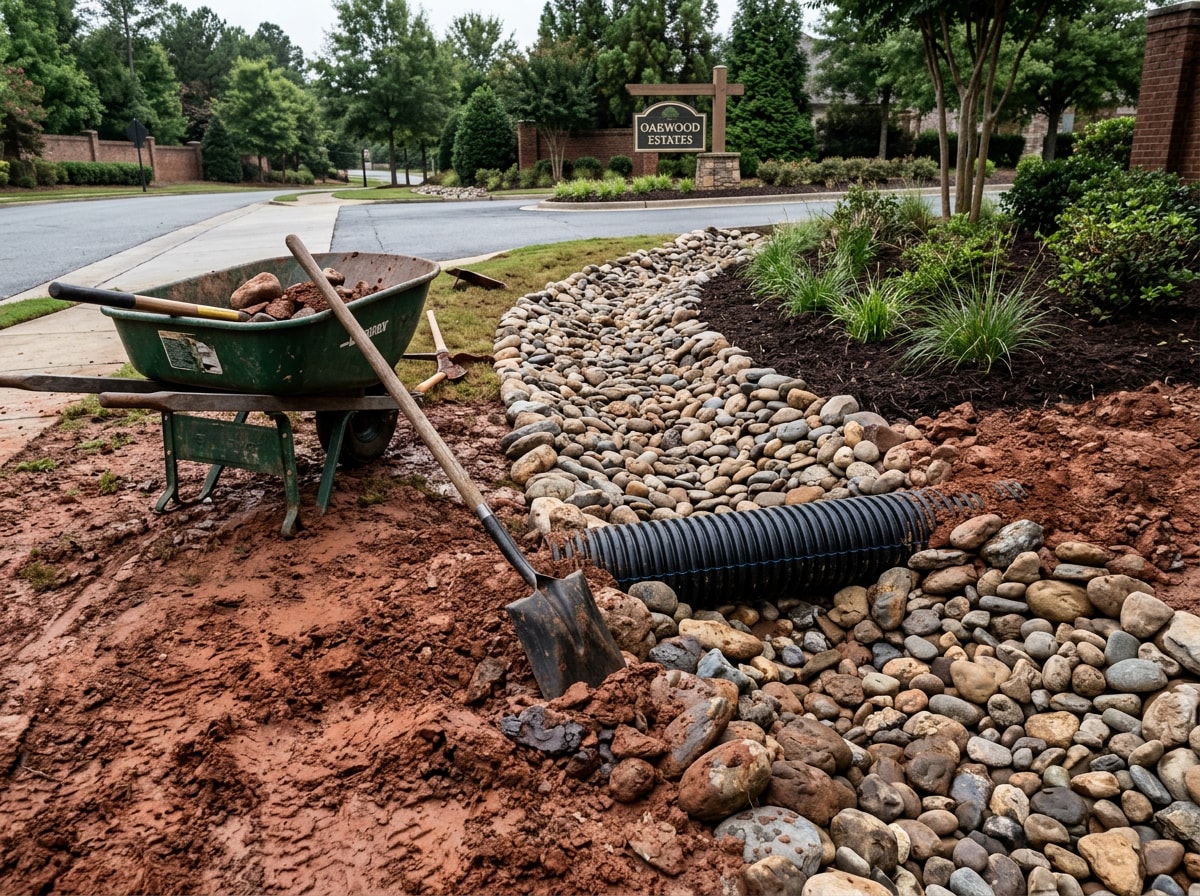
Poor drainage is one of the most common complaints we hear from Garner boards, especially on properties graded before current stormwater standards. A dry stream bed installation or regraded site preparation plan can redirect runoff away from entrance beds without turning a common area into a retention pond. Clean stone edging along beds also cuts down on mulch washout during heavy Piedmont storms, which is a recurring line item on a lot of HOA invoices we review.
Our HOA Landscaping Process
Boards comparing vendors should know what to expect from the first call through ongoing service, not just see a price.
- Site evaluation. We walk the full common area footprint, not just the entrance, and note soil condition, drainage issues, and existing plant health.
- Written proposal. Scope, frequency, and pricing go in writing, matched to your CC&Rs so there's no ambiguity about what's covered.
- Seasonal scheduling. Once signed, service moves to a growth-based calendar rather than a flat weekly visit regardless of conditions.
- Renovation planning. For communities with overgrown beds or declining turf, we build a phased landscape design plan rather than ripping everything out in one budget cycle.
You can browse examples of completed community and residential work on our projects page, or visit the Paradise Backyards homepage for a full look at how we scope larger properties.
Residential, Commercial & HOA Service Plans
Landscaping needs shift by property type, which is why a one-size plan rarely works.
Residential homeowners usually need a weekly or biweekly program covering mowing, edging, hand pruning, and seasonal leaf removal.
Commercial properties and HOAs need turf fertilization, parking-lot and entrance bed care, and coordinated seasonal cleanups that match a property manager's calendar, not a single homeowner's preference. Entrance lighting is often part of that conversation too. Outdoor lighting installation at a community sign or clubhouse walkway does double duty for curb appeal and resident safety after dark.
We serve HOAs and commercial clients throughout Garner and nearby Wake County communities, including Garner, Raleigh, Cary, and Holly Springs, so a backup crew is available during peak spring and fall demand.
FAQ
Who is responsible for landscaping in an HOA in North Carolina?
The association is generally responsible for common areas like entrances, medians, and shared green space, while homeowners maintain their own lots. North Carolina's Planned Community Act backs this up directly: the association is responsible for maintaining, repairing, and replacing common elements unless the declaration states otherwise. Always check your specific CC&Rs, since some communities assign limited common elements differently.
How much does HOA landscaping cost in Garner, NC?
Cost depends on common-area acreage, service frequency, and whether the contract is standard or enhanced (fertilization, aeration, seasonal color included). There's no single fixed number that applies to every community. A detailed site evaluation is the only reliable way to build an accurate budget, which is why we walk the full property before quoting.
Can an HOA board be held liable for neglected common area landscaping?
Yes, in some situations. Boards have a legal duty under North Carolina's Planned Community Act to maintain common elements, and chronic neglect, especially anything that creates a safety hazard, can expose the association to liability. A documented maintenance contract with clear scope is one of the simplest ways boards protect themselves.
What's included in a typical HOA landscaping maintenance contract?
A standard contract usually covers mowing, edging, bed weeding, basic shrub trimming, and debris pickup. An enhanced or full-service contract adds a fertilization program, aeration and overseeding, seasonal color, irrigation checks, and an annual mulch refresh. Your contract should map directly to what your CC&Rs assign to the association.
Do you serve HOA and commercial properties in Garner, NC?
Yes. HOA common areas and commercial properties are serviced alongside residential properties, often by the same dedicated crew handling full-scope mowing, bed care, and seasonal work across the community.
What does Garner's clay soil mean for an HOA landscaping budget?
It usually means core aeration needs to happen on a set annual schedule rather than only when the lawn looks thin, since clay compacts faster under regular foot and mower traffic. Drainage work, like regrading or a dry stream bed at problem entrances, is also a more common line item here than in sandier parts of the state.
Ready to compare your current contract against a documented, season-by-season scope built for Garner's soil and climate? Get a free estimate and we'll walk your property before quoting anything.