Searching for a landscaping supply store in Raleigh, NC usually means one thing: you need mulch, soil, stone, or gravel by the truckload, not by the bag. Local supply yards sell these materials in bulk cubic yards, which cuts your cost dramatically once a project goes beyond a couple of flower beds. This guide breaks down what those yards stock, how much you actually need, and when it makes more sense to hand the whole project to a licensed contractor instead.
What a Raleigh Landscaping Supply Store Actually Sells
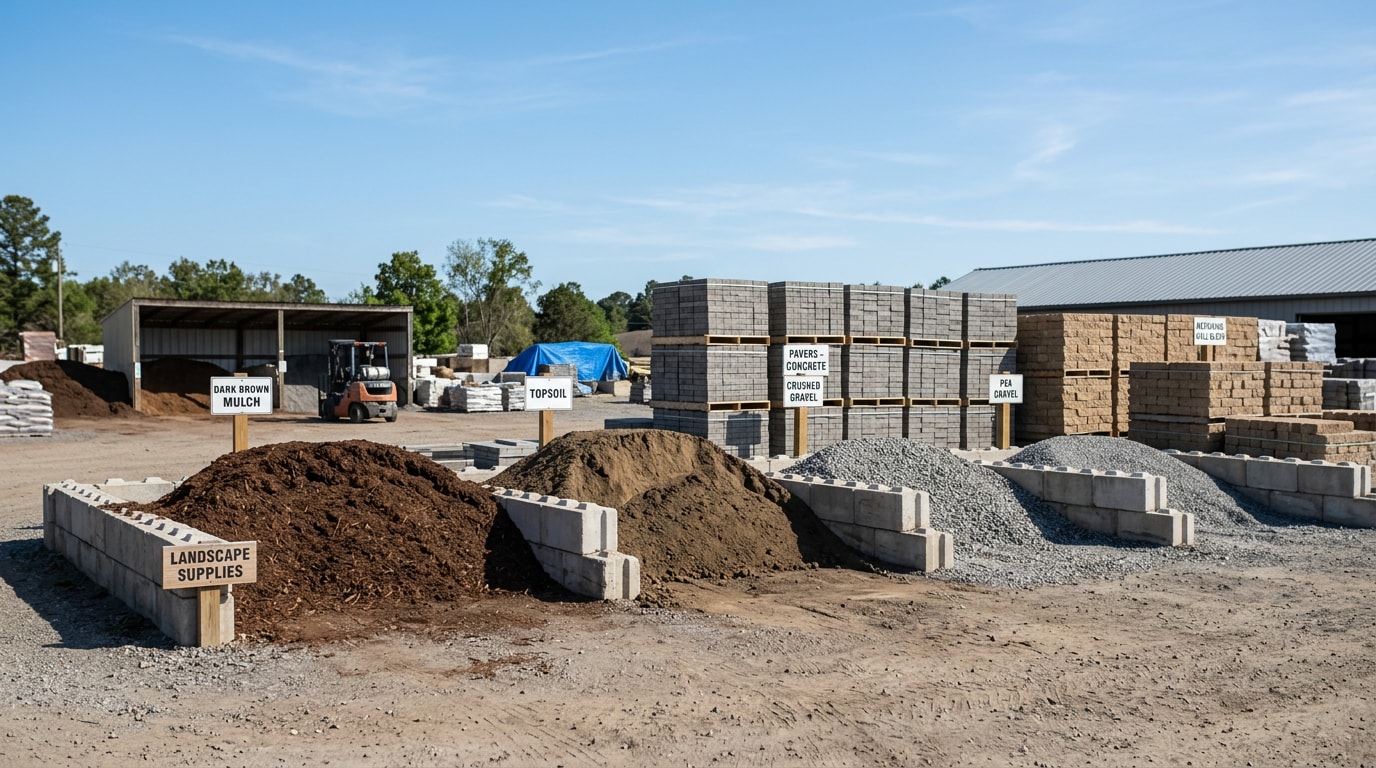
A full-service supply yard in Wake County carries a lot more than mulch. Most stock:
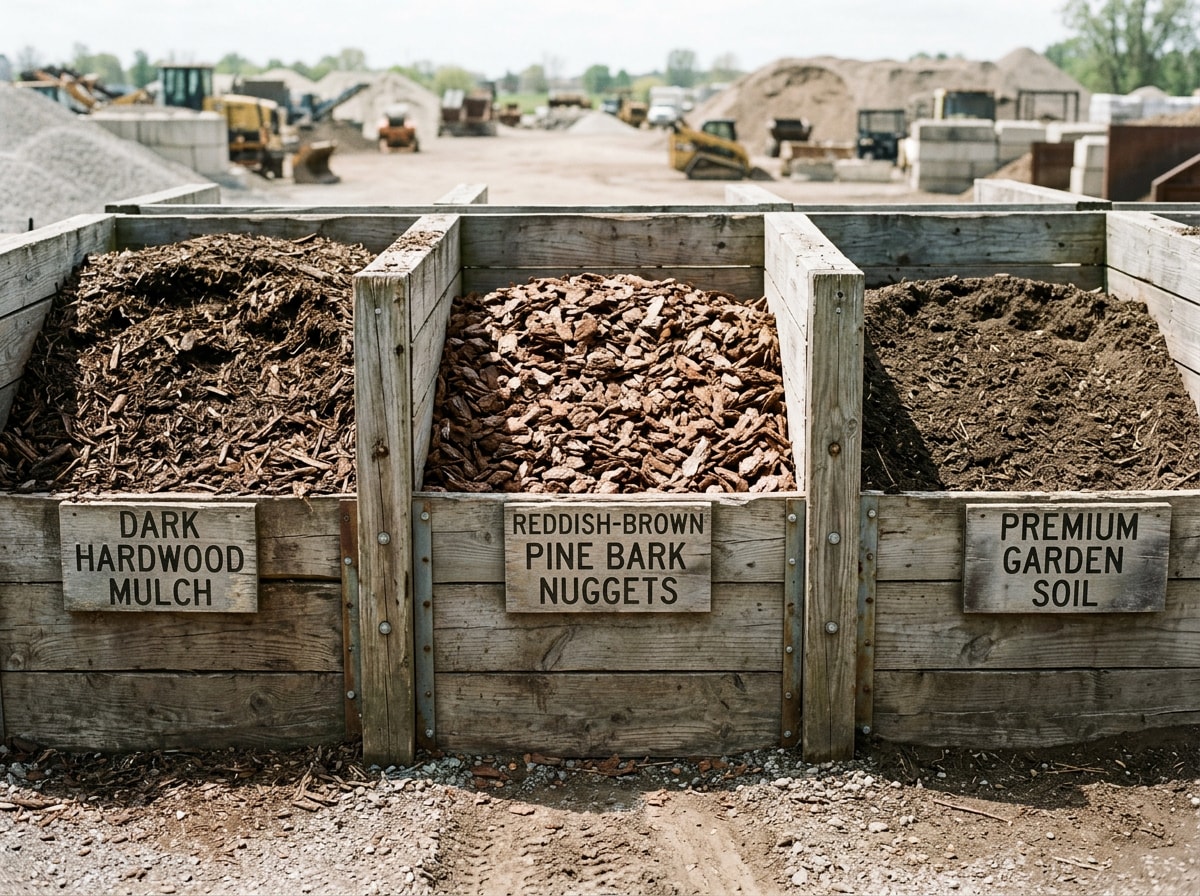
- Bulk hardwood mulch, pine bark nuggets, dyed brown or black mulch, and pine straw
- Topsoil, garden soil blends, and compost for bed prep
- Washed sand and paver bedding sand
- Crushed stone, river gravel, and decorative landscape rock
- Pavers, retaining wall block, and stone edging
- Seasonal extras like firewood and grass seed
Buying by the cubic yard instead of the bag is the whole point. A single cubic yard replaces roughly 13 to 14 standard 2-cubic-foot bags, and most yards will load your truck or deliver for a flat fee once you order a few yards.
Bulk vs. Bagged: How Pricing Actually Works
Bagged mulch and soil are convenient for a single planter. For anything larger, bulk wins on price almost every time, because you're not paying for plastic packaging or retail shelf space.
| Factor | Bulk (by the cubic yard) | Bagged (2 cu. ft. bags) |
|---|---|---|
| Best for | Beds over 100-150 sq. ft. | Small beds, pots, touch-ups |
| Minimum order | Often 1-3 yards | None |
| Delivery | Dump trailer or truck delivery | Carry it yourself |
| Handling | Shovel and wheelbarrow | Pour straight from the bag |
| Typical savings | Lower cost per yard once packaging is removed | Higher cost per yard |
If you have a truck or trailer and more than one or two beds to cover, bulk is almost always the better deal. If you're refreshing a single container or a 20-square-foot strip by the mailbox, bagged is simpler and you won't have leftover material sitting in the driveway.
How Much Mulch, Soil, or Gravel You Actually Need
Before you call a yard, measure your beds. The math is simple: length times width gives square footage, and square footage times depth (in inches) divided by 324 gives cubic yards.
Coverage per cubic yard breaks down like this:
- 1 inch deep: about 324 square feet
- 2 inches deep: about 162 square feet
- 3 inches deep: about 108 square feet
- 4 inches deep: about 81 square feet
Virginia Cooperative Extension recommends a mulch depth of 2 to 4 inches for most landscape beds, enough to suppress weeds and hold moisture without smothering roots. Going thicker than that doesn't help your plants, it just costs more and can trap excess moisture against stems and trunks.
Topsoil and compost follow similar math, though most contractors plan on a 2-inch layer for bed building rather than the 3-inch standard used for mulch.
Getting the Base Right: What a Supply Yard Won't Do For You
Buying pavers or retaining wall block is the easy part. What determines whether that patio or wall still looks good in five years is the base underneath it, and that's where most DIY projects go wrong.
Industry guidance from the Concrete Masonry & Hardscapes Association calls for a minimum of 4 inches of compacted aggregate base under pedestrian patios and walkways, with deeper bases required for driveways or anywhere vehicles will drive. One detail most homeowners miss: loose gravel shrinks by roughly 20 to 25% once it's compacted with a plate compactor, so you need to order more material than the finished depth suggests.
"In five years of building patios and walls across Wake County, we've seen more failed projects from skipping the compacted base than from skimping on the pavers themselves," says Cameron D., owner of Paradise Backyards LLC. "The materials are the easy part. Getting the base right is where the project either holds up or doesn't."
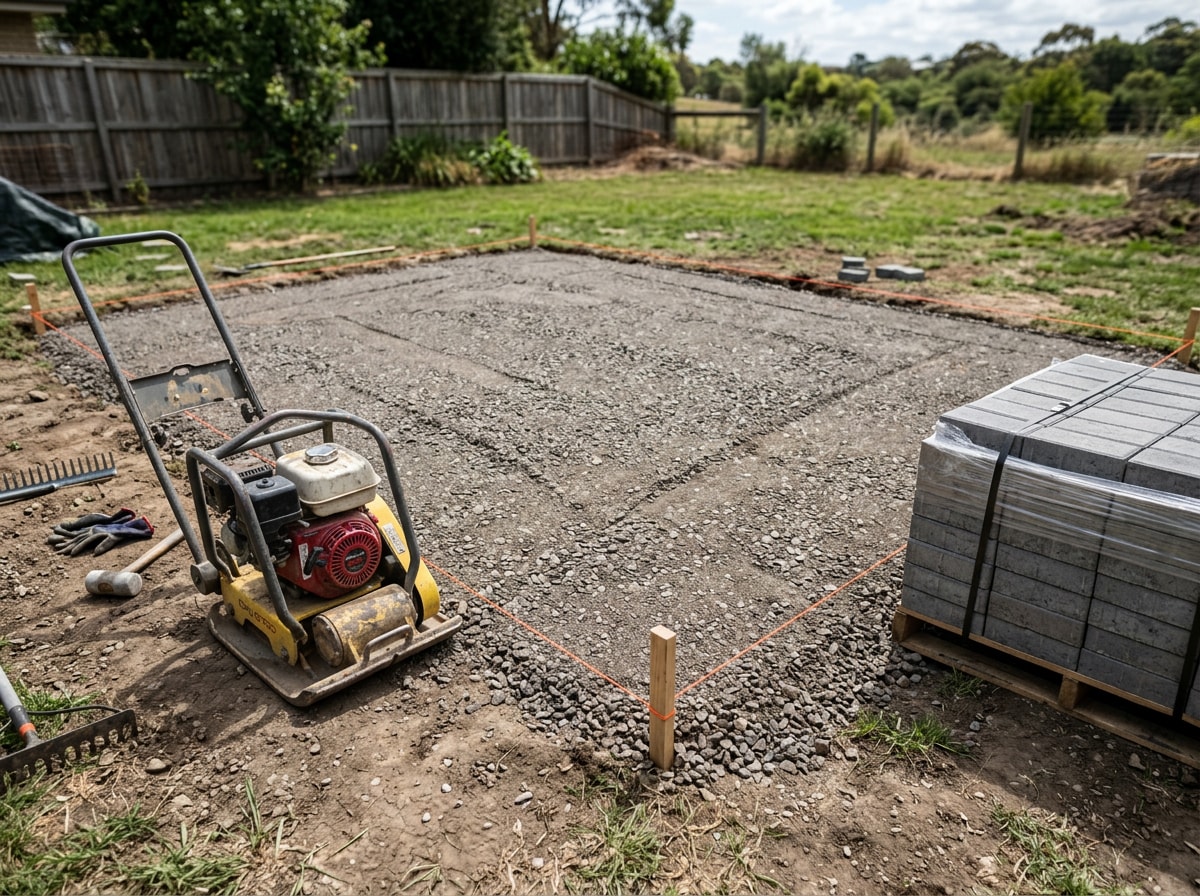
If you're not confident compacting a base in 3 to 4 inch lifts and checking it with a plate compactor, that's usually the moment to bring in a paver installation or retaining wall construction crew instead of renting equipment for a one-time job.
Permits and Drainage Before You Order Materials
Raleigh has specific rules for retaining walls that a supply yard clerk won't walk you through. According to the City of Raleigh's permitting guidance, retaining walls under five feet generally don't need a building permit, though a zoning permit may still apply, and any wall built close to a structure or carrying extra load needs a registered design professional's stamp. North Carolina's building code also requires engineered drawings when stacked or tiered walls add up to more than five feet of combined height within 50 feet.
Drainage behind a wall matters just as much as the permit. A wall without a subdrain system will eventually build up hydrostatic pressure and fail, regardless of how good the block looks on day one. Proper site preparation addresses grading and drainage before a single block goes in the ground.
Compost quality matters too, especially if you're buying in bulk sight unseen. The EPA's own guidance on finished compost describes good-quality compost as dark, crumbly, and earthy-smelling, with no resemblance to the original waste it was made from. If what you're loading into your truck smells sour or looks like raw yard waste, it hasn't finished breaking down and won't perform the way bagged compost does.
Picking Up Materials Yourself vs. Hiring a Landscape Contractor
Raleigh has several established landscape supply yards where homeowners can buy mulch, soil, and stone directly and haul it themselves. That route works well for small to mid-size DIY projects where you're comfortable with a wheelbarrow and a weekend of labor.
It makes less sense once a project involves excavation, grading, base compaction, or anything that needs to tie into existing drainage. At that point, you're not just buying material, you're also buying the equipment rental, the truck trips, and the risk of getting the base wrong.
A full-service landscape contractor or hardscape contractor sources the materials as part of the job, handles delivery logistics, and installs everything to the base and drainage specs that keep it from failing early. You can see examples of that approach on our completed projects page, including patios and walls built across Wake County.
If your project is mostly cosmetic, mulching beds or topping off a gravel path, a solo trip to a supply yard is the cheaper option. If it involves anything structural, a landscape design consultation up front usually saves more than it costs.
Where We Work Across the Triangle
Paradise Backyards LLC serves homeowners throughout Raleigh, NC and the surrounding Triangle, including Cary, Durham, Wake Forest, Garner, Holly Springs, and Fuquay-Varina. If mulch is on your to-do list before a bigger renovation, our mulching guide for Garner, NC covers cost and process in more detail.
Ready to skip the truck rental and get the base done right the first time? Get a free estimate and we'll walk the site with you before you buy a single yard of material. You can also learn more about our full approach on the Paradise Backyards LLC homepage.
FAQ
How much does bulk mulch cost in Raleigh, NC?
Pricing varies by mulch type, yard, and order size, with dyed and specialty mulches costing more than plain hardwood. Request a quote based on your exact yardage rather than relying on a flat per-yard estimate, since most yards price delivery separately from material.
Is it cheaper to buy mulch in bulk or in bags?
Bulk is cheaper for anything larger than a couple of small beds, since bagged mulch carries packaging and retail markup. The break-even point is usually around 1.5 to 2 cubic yards, below that, bagged is often simpler.
How much topsoil do I need for a new garden bed?
Plan on about 100 square feet of coverage per cubic yard at a 2-inch depth. Measure your bed's length and width first, then use that figure to request an accurate quote.
Do I need a permit for a retaining wall or patio in Raleigh?
Most ground-level patios don't require a permit, but retaining walls over roughly four to five feet, or walls near a structure, typically need engineered plans under North Carolina's building code. Check with the City of Raleigh before you build anything taller than a few courses of block.
Should I buy materials myself or hire a landscape contractor?
DIY works well for mulching, topdressing, or small gravel paths. Anything involving excavation, base compaction, or drainage is where a licensed contractor pays for itself by avoiding early failures.
What's the best time of year to order mulch, soil, or stone in Raleigh?
Early spring and fall are the busiest seasons, so lead times stretch out. Ordering in late winter or mid-summer usually means faster delivery and more attention from the yard or contractor.
About the Author
Cameron D. is the owner of Paradise Backyards LLC, a landscape and hardscape contractor serving Raleigh, Cary, Durham, and the greater Triangle area. With hands-on experience building patios, retaining walls, and outdoor living spaces across Wake County, Cameron and the Paradise Backyards crew work directly with homeowners from material selection through final installation. Reach out through the contact page with project questions.