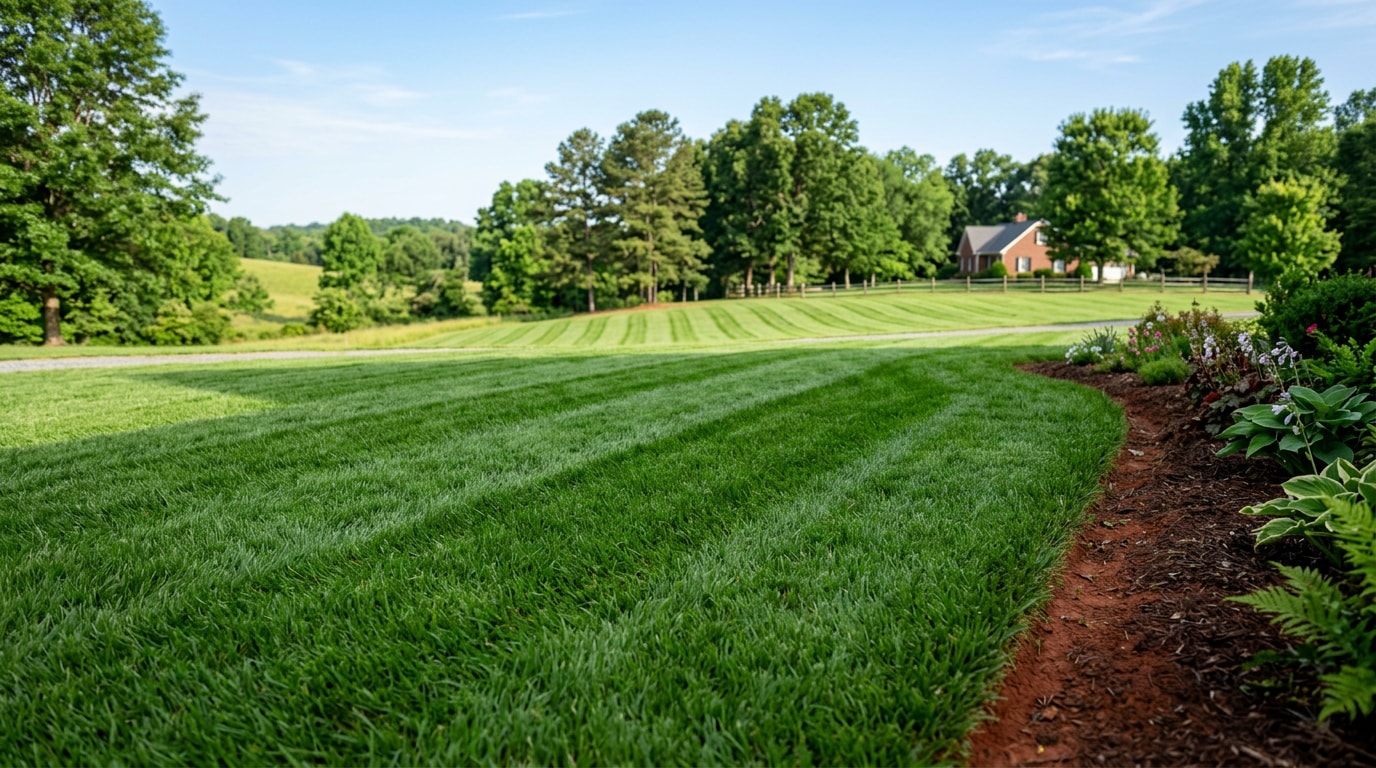
Watering new sod in Chapel Hill, NC wrong is the fastest way to turn a fresh lawn into a patchy, brown disappointment. Get it right and roots lock into our heavy Piedmont clay within two weeks. Get it wrong, and you're re-sodding by August. Here's the exact schedule, the local OWASA rules most guides skip, and the warning signs that mean you're already behind.
Why Watering Matters So Much for New Sod
New sod has no root system holding it to the ground yet, which makes it far more vulnerable to heat and dryness than an established lawn. Proper watering is the single most important factor in whether new sod survives or dies during those first few fragile weeks.
Without consistent moisture, sod establishment stalls before root development ever really begins. NC State Extension's own watering guidance backs this up: make light, frequent applications of water during establishment, but avoid runoff.
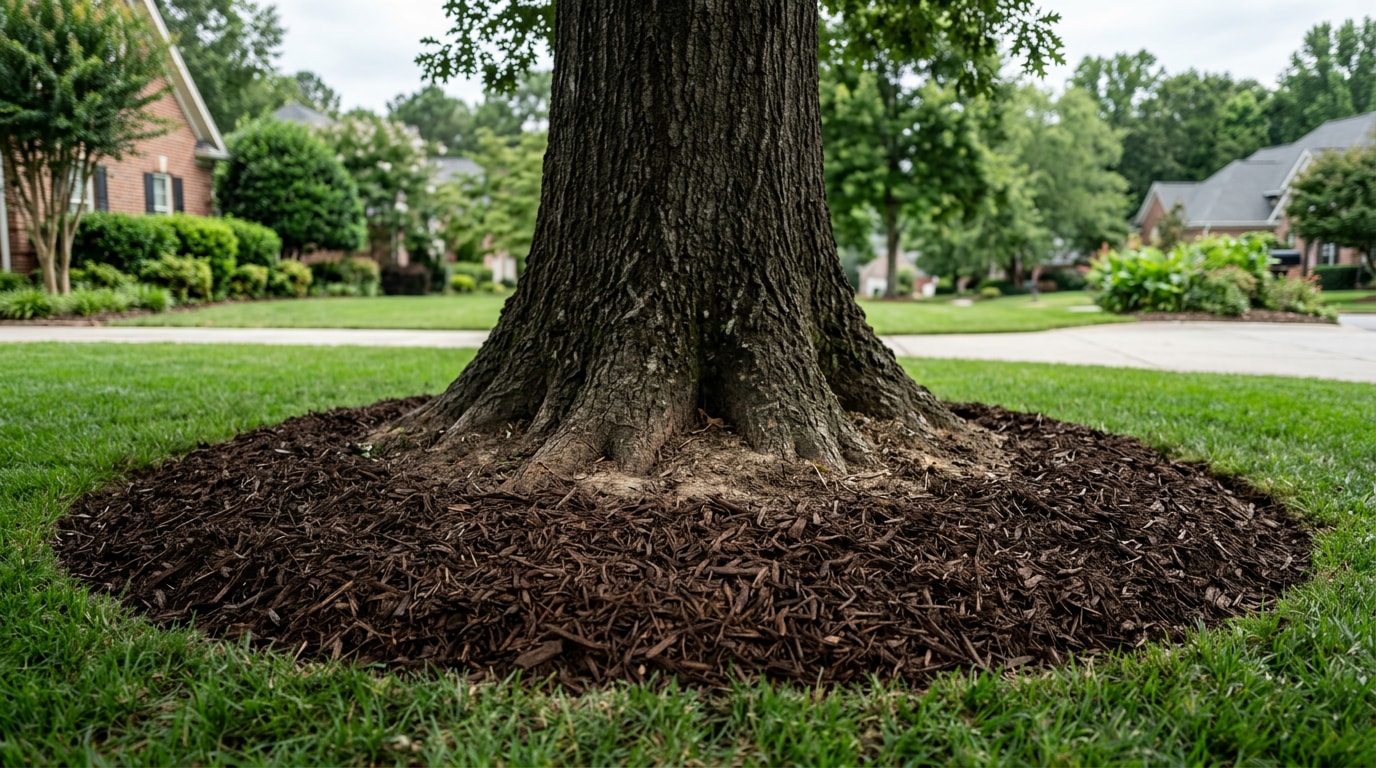
That advice matters even more here. Chapel Hill sits on dense Piedmont clay, and clay behaves differently than loose or sandy soil. Water clay and compacted soils until runoff is about to occur, then after allowing time for the water to be absorbed, water again until the desired moisture depth is attained. In our own installs around Chapel Hill and Durham, that two-stage soak is what separates sod that knits down in 10 to 12 days from sod that sits on top of the clay and cooks.
Day 1: Watering New Sod Immediately After Installation
Water new sod immediately, ideally the same day it's installed, before the sun has a chance to dry out the thin root zone. The goal is to soak the soil beneath the sod thoroughly, not just dampen the surface, so new roots have moist ground to grow into right away.
Skipping this step is risky. If the sod dries out before it's had a deep watering, it can struggle to establish, leading to an uneven, patchy lawn that's hard to fix later. If you hired out the install, ask your installer exactly when they finished laying sod so your first watering window doesn't get delayed. Our sod installation guide covers what a proper install timeline looks like before you even get to watering.
Watering Schedule (Day 1 Amount & Duration)
On installation day, water new sod for roughly 40 to 60 minutes, or about 1 inch of water, until the soil underneath feels moist 4 to 6 inches deep. This single deep soak matters more for long-term success than almost anything else you'll do.
To check your work, dig a small flap of sod back with your fingers. The soil should feel soggy but never have standing puddles on top. That's the sweet spot for soil moisture depth on day one.
Watering New Sod Frequently for the First Two Weeks
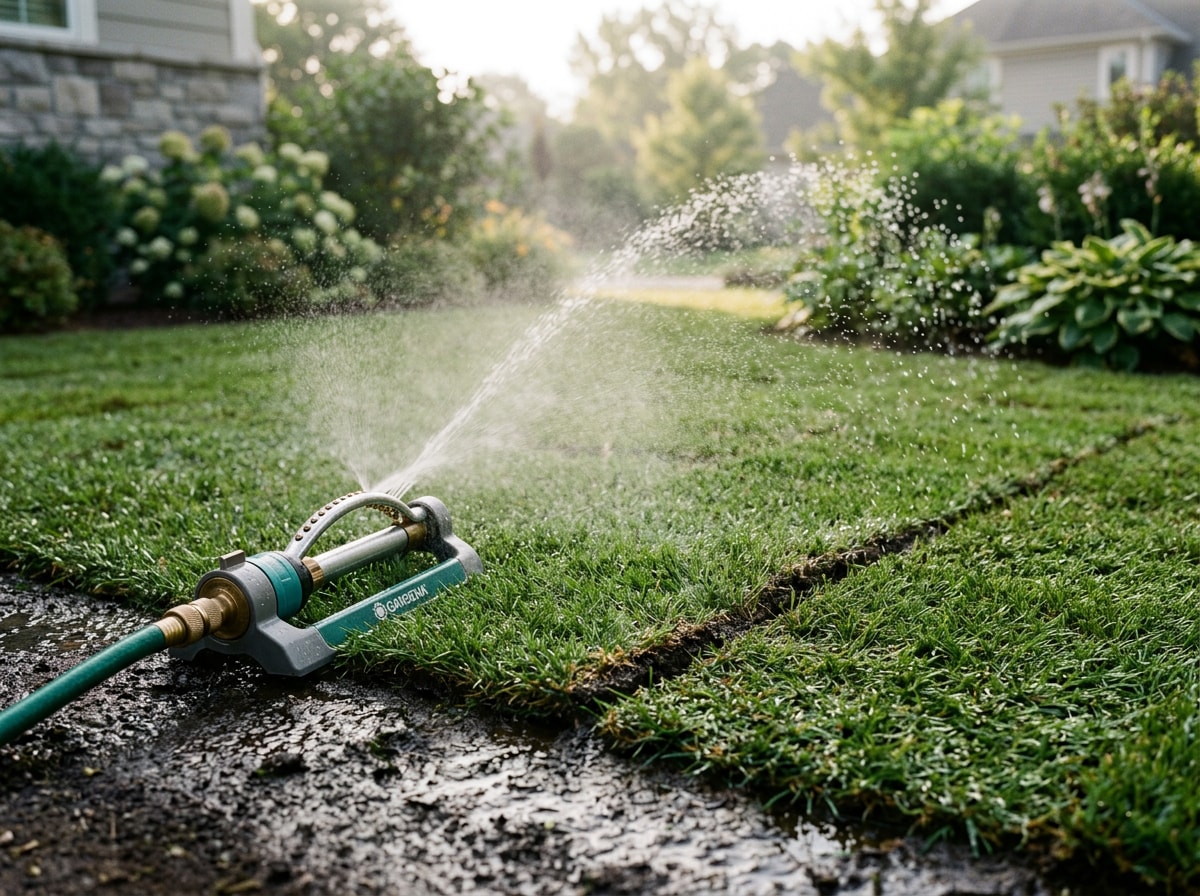
Watering frequently but lightly throughout the day helps young roots push down into the soil instead of staying shallow and dependent on surface moisture. This is where the "water new sod twice a day" rule comes in, and it holds for the first two weeks in almost every climate, including the Piedmont.
A common benchmark is watering twice daily for 10 to 15 minutes per session, enough to keep the top inch of soil under the sod consistently moist. Skipping a session on a hot Chapel Hill afternoon can undo days of progress, so consistency matters more than perfection here.
Week 1 vs. Week 2 Watering Breakdown
Week 1 sod watering is the most intense: 2 to 3 sessions a day, 15 to 20 minutes per zone, with water penetrating at least 3 to 4 inches into the soil. By week 2, sod watering can ease back slightly as the grass begins to knit roots into the ground below.
You'll often notice the sod resisting a gentle tug by the end of week two. That's a good sign roots are taking hold.
Tapering Off: Watering New Sod in Weeks Three and Four
Around day 14, it's time to start tapering sod watering from frequent, shallow sessions to deeper, less frequent ones. Instead of watering multiple times throughout the day, shift to once or twice daily and let each session run longer so water reaches deeper into the root zone.
This gradual pullback, starting at the beginning of week 3, encourages the deep, infrequent watering habits that match how an established lawn should be cared for going forward.
First Mow: When Watering Habits Change
Most sod reaches its ideal mowing height, typically 3 to 4 inches, by week 3, which is when to mow sod for the first time. Watering volume generally stays similar through this stage even as frequency drops, since the goal is still full root depth, not just surface green-up.
Chapel Hill Clay Soil and OWASA Watering Rules
Dense Piedmont clay absorbs water slowly, which means a fast, heavy soak often runs off before it soaks in. Slower, cycled watering usually works better here than one long blast, the same technique NC State Extension recommends for clay and compacted soils in general.
Here's the part most watering guides miss: OWASA, the utility serving Chapel Hill, Carrboro, and UNC, doesn't only impose restrictions during a declared drought. OWASA requires year-round water use restrictions based on address, focused on spray irrigation, and no irrigation is allowed between the hours of 10 a.m. and 6 p.m. That daytime ban applies whether or not a drought has been declared, so building your watering sessions around it from day one avoids a habit you'll have to break later. The baseline standard also caps routine spray irrigation at no more than three (3) days per week for odd and even numbered addresses on alternating schedules.
On top of that year-round baseline, Orange County has gone through extended stretches of drought in 2026. As of OWASA's most recent public updates, the utility has said based on its modeling, OWASA is not yet in a water shortage , meaning Stage 1 mandatory day-of-week restrictions haven't kicked in. That status can shift with reservoir levels, so check OWASA's drought page directly, or better, visit the live source at owasa.org, before locking in an automated schedule. If you're weighing whether a planned install date lines up with current watering conditions, reach out for a free estimate and we can help you plan around it before sod ever hits the truck.
Hand Watering Rules
Hand watering with a hose and an automatic shut-off nozzle is generally treated more leniently than automatic spray systems. Under OWASA's standing conservation rules, restrictions on spray-irrigation days do not apply to properties using underground or drip irrigation, soaker hoses, hand watering, or tree and shrub watering bags. That makes hand watering a practical workaround for new sod if you need to supplement outside your assigned spray days, though the 10 a.m. to 6 p.m. daytime caution still applies in spirit even when it isn't enforced for hand watering specifically.
Keeping Your Lawn Alive During Chapel Hill Water Restrictions
Tall fescue, the dominant lawn grass around Chapel Hill, handles drought dormancy far better than most homeowners assume once it's established. NC State turf researchers found that in one experiment conducted under a summer's intense heat and drought, all tall fescue cultivars tested recovered after 40 days without any water, and most survived 48 days without water. That's a useful fact for your established lawn, but it doesn't apply to brand-new sod. New sod has no deep root system yet, so it still needs consistent establishment watering even during conservation periods. If you're still planning your install date, factor in whether a fall or early spring window, when demand and heat stress are both lower, makes more sense than a peak-summer install.
How to Tell If Your New Sod Needs Water
Signs sod needs water include a dull, grayish-blue tint instead of healthy green, blades that stay flattened after you walk across them, and footprints that linger instead of springing back. NC State Extension lists the same markers for lawns generally: a dark bluish-gray color, footprints that remain after walking, or wilted, folded, or curled leaves.
A quick tug test helps confirm it. If a corner lifts easily with little resistance, roots haven't anchored and the area likely needs more consistent moisture, not just a quick spray.
Common Watering Mistakes to Avoid
- Watering at night. Fungal lawn diseases thrive in moist, cool, overnight conditions. Morning watering gives grass all day to absorb moisture before evaporation and cooler temperatures set in. The EPA's WaterSense program backs this up directly:
it's best to water lawns and landscapes in the early morning and evening, after the sun goes down, because significant amounts of water can be lost due to evaporation during the heat of the day.
- Shallow, too-frequent sprinkling. This trains roots to stay near the surface instead of growing down, which is the opposite of what new sod needs after week two.
- Overwatering to the point of puddling. Soggy soil can suffocate roots and invite rot just as quickly as drying out can kill the sod.
- Guessing instead of measuring. A WaterSense-labeled irrigation controller or a simple catch-can test removes the guesswork, and
replacing a clock-based controller with a WaterSense labeled irrigation controller can save an average home up to 15,000 gallons of water annually.
Watering Timeline at a Glance
| Timeframe | Frequency | Duration / Amount | Goal |
|---|---|---|---|
| Day 1 | One deep soak | 40 to 60 minutes (about 1 inch) | Moisten soil 4 to 6 inches deep |
| Days 2 to 10 | 2 to 3 times per day | 15 to 20 minutes per zone | Keep top 3 to 4 inches consistently moist |
| Days 11 to 14 | 1 to 2 times per day | 10 to 15 minutes per zone | Begin root knitting |
| Weeks 3 to 4 | Once daily, tapering to every other day | Longer, deeper sessions | Push roots deeper, prep for first mow |
| After week 4 | 2 to 3 times per week | 1 to 1.5 inches total weekly | Maintain established lawn |
Hire a Pro to Care for Your New Sod
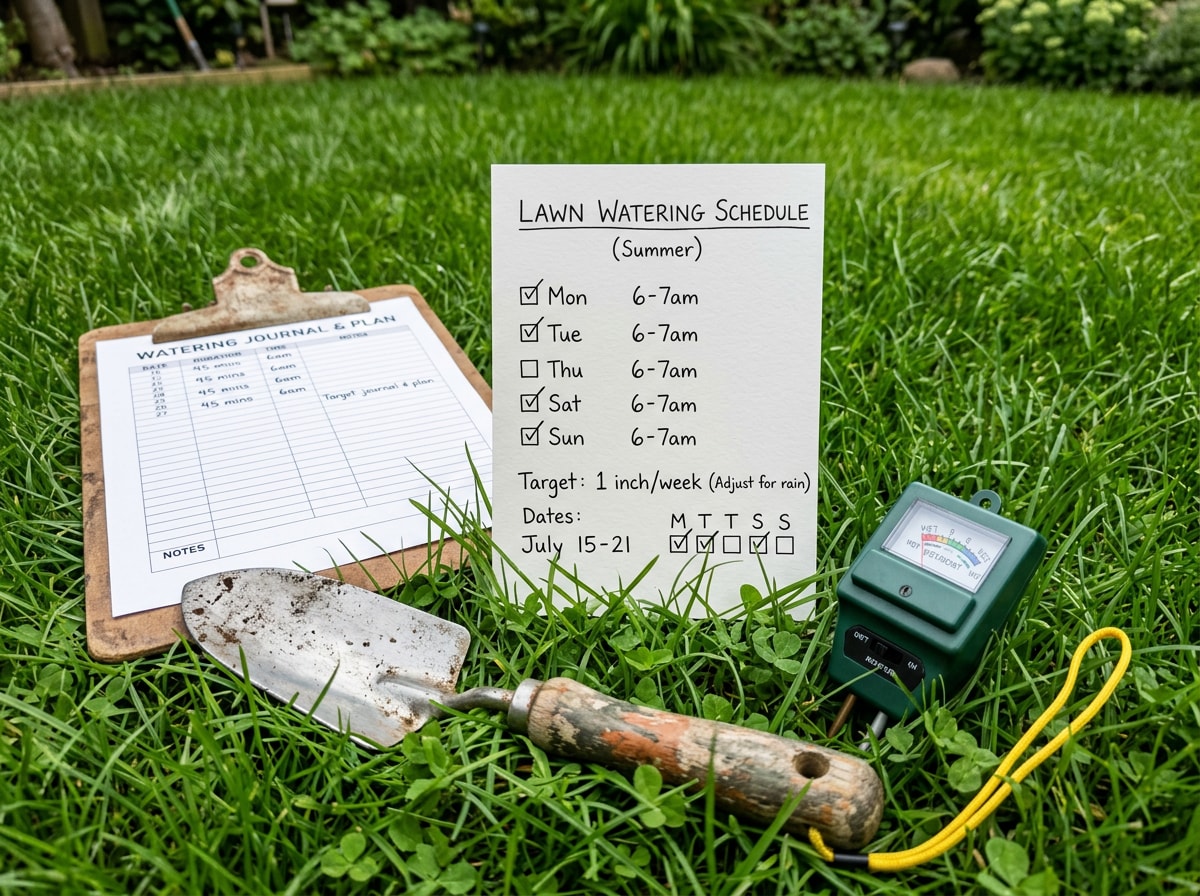
Caring for new sod requires consistent attention during the critical first 4 to 8 weeks, and not every schedule allows for twice-daily watering sessions on top of OWASA's address-based spray windows. If that sounds unmanageable, a full-service landscape contractor can handle grading, site preparation, and early establishment care so your new lawn gets what it needs on time, every time.
If you're planning sod as part of a bigger yard overhaul, it's also worth pairing it with a proper landscape design so drainage and sun exposure are accounted for before the first roll goes down. The team at Paradise Backyards NC works across Chapel Hill, Durham, and the greater Triangle, and you can see examples of past yard transformations on our projects page.
Ready to get your new lawn started right? Get a free estimate and we'll build a watering and install plan around your property's soil and your address's OWASA schedule.
Frequently Asked Questions
Can I Install New Sod or Seed in Chapel Hill During Water Restrictions?
It depends on current OWASA status. As of OWASA's latest public updates, there's no mandatory Stage 1 shortage restriction in place, but the standing year-round limits on spray-irrigation days and the 10 a.m. to 6 p.m. daytime ban still apply. Check OWASA's official site before scheduling your project.
What Days Can I Water My Lawn in Chapel Hill?
Under the standing conservation rules, spray irrigation is limited to specific days based on whether your address ends in an odd or even number, capped at three days per week. If OWASA declares a Stage 1 water shortage, that drops to one assigned day per week. Hand watering with a shut-off nozzle isn't tied to those assigned days.
Can You Overwater New Sod?
Yes. Signs include squishy, waterlogged soil, slowed rooting, and even root rot in extreme cases. The fix usually isn't cutting total weekly water, it's reducing how often you water while increasing how deep each session soaks in.
How Long Does It Take New Sod to Root?
Most sod roots into the soil within 10 to 14 days under good conditions. In Chapel Hill's clay-heavy soil and summer heat, that window can stretch longer, so consistent watering matters more than hitting an exact date.
What's the Best Time of Day to Water New Sod?
Early morning, generally before 10 a.m. It also keeps you compliant with OWASA's standing daytime irrigation ban, which runs from 10 a.m. to 6 p.m. year-round regardless of drought status.
Does the 10 a.m. to 6 p.m. OWASA Watering Ban Apply to Hand Watering New Sod?
No. Hand watering with a hose and automatic shut-off nozzle is generally exempt from OWASA's spray-irrigation day and address restrictions, which makes it a useful backup if your sod needs water outside your assigned automatic-irrigation window.
How Much Water Does New Sod Need Per Week?
After the first two weeks of frequent light watering, aim for about 1 to 1.5 inches of total water per week, adjusted for rainfall, heat, and current OWASA status, until the lawn is fully established around week 6 to 8.