Softscape services in Fuquay-Varina, NC cover every living part of your yard, from fresh sod to foundation plantings, and getting them right starts with understanding the area's dense clay soil. This guide breaks down exactly what's included, how a professional installation unfolds step by step, and where softscape work should hand off to hardscape. By the end, you'll know what to ask any contractor before you sign a contract.
What's Included in Softscape Services in Fuquay-Varina
A typical softscape project bundles several living-landscape elements into one scope of work. Most residential jobs include:
- Tree and shrub planting
- Sod installation or overseeding
- Mulch installation around beds and trees
- Ground cover and perennial planting
- Rock or decorative stone accents
- Erosion-control grasses on sloped lots
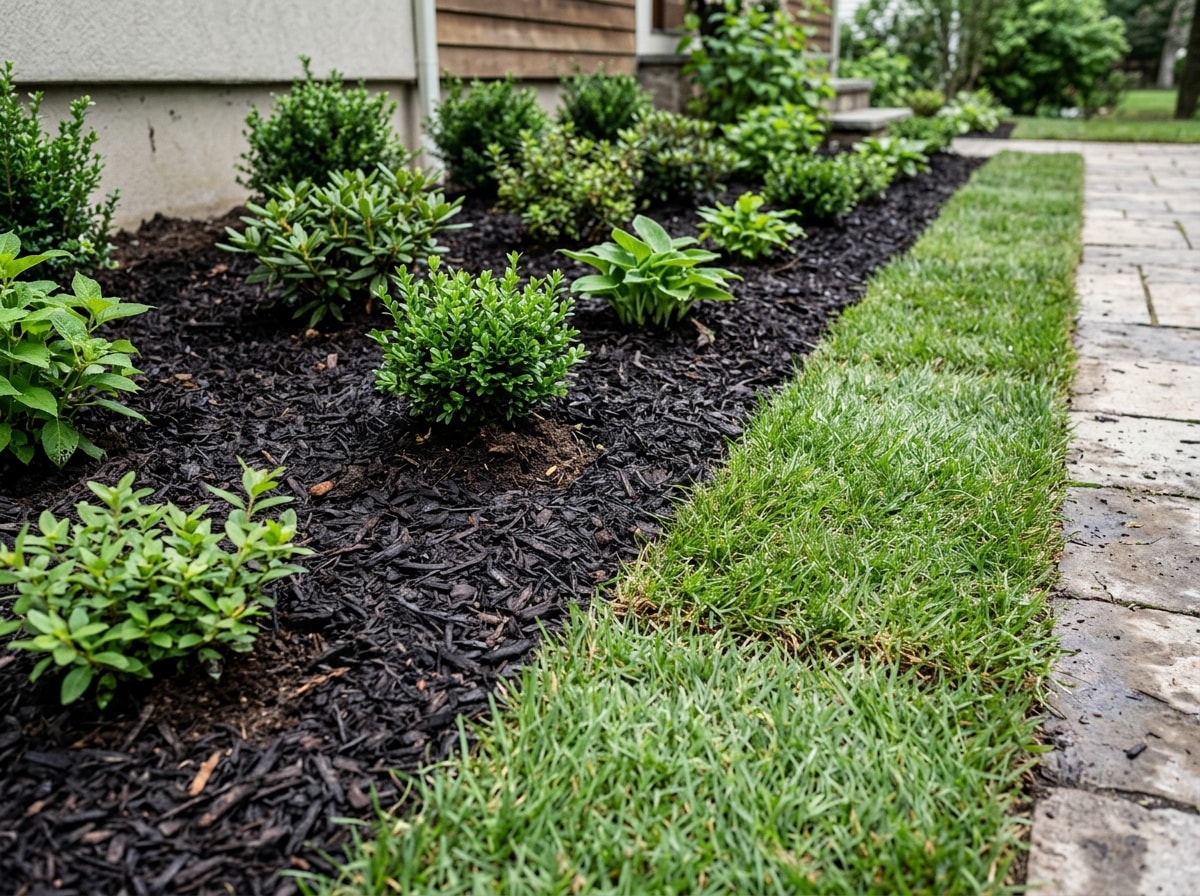
Most residential softscape jobs bundle these elements into a single visit. Commercial softscape projects, like retail sites or HOA common areas, more often phase installation across a larger property. If you're planning a full-yard upgrade, it helps to compare this scope against a landscape design plan that ties softscape and hardscape together from the start.
Softscape vs. Hardscape: Key Differences
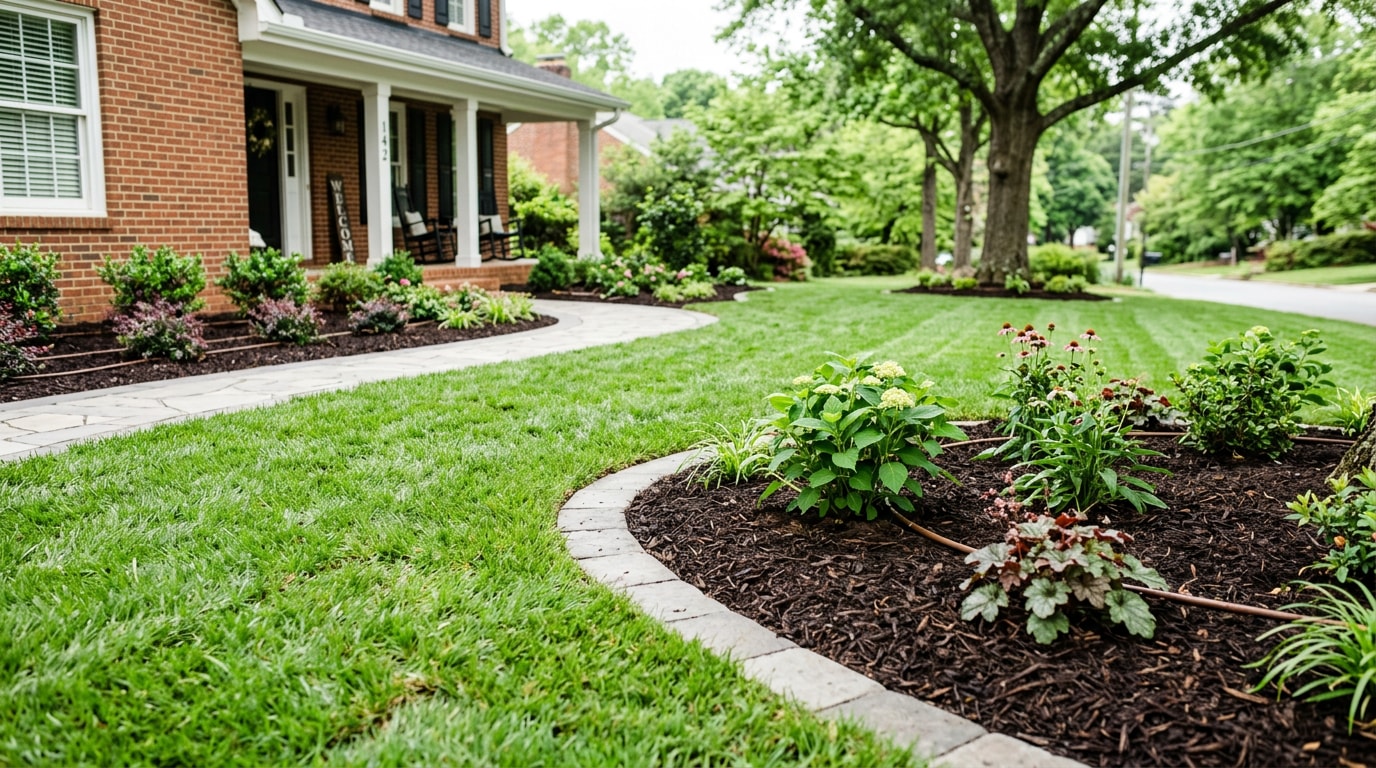
Softscape refers to the living, biological elements of a landscape: planted trees, shrubs, perennials, turfgrass sod, ornamental grasses, and ground covers. Hardscape covers static structures like patios, walkways, and retaining walls. Together, they create the living-and-structural balance every yard needs.
| Feature | Softscape | Hardscape |
|---|---|---|
| Definition | Living plants, sod, beds | Patios, walls, pavers |
| Typical cost | Lower upfront | Higher upfront |
| Maintenance | Ongoing (water, prune) | Occasional repair |
| Lifespan | Grows and changes yearly | Decades with upkeep |
Why Fuquay-Varina's Soil and Climate Change the Plan
Fuquay-Varina sits in USDA Plant Hardiness Zone 8a under the current 2023 map, a half-zone warmer than the 7b rating the area carried on the older 2012 map. That shift matters because Fuquay-Varina, North Carolina is in Zone 8a, a change from the 2012 USDA Hardiness Zone Map which had Fuquay-Varina in Zone 7b , which means some borderline perennials and shrubs that used to struggle through winter here now have a better survival margin. A contractor still working off the old zone number may be recommending plants that are more conservative than they need to be.
Soil is the bigger variable. Much of Wake County sits on dense Piedmont clay, and much of the subsoil in the piedmont and mountain regions has high clay content, and soils with high clay content tend to have slow water movement and may remain wet for long periods, while construction activities also compact the soil and restrict plant root growth . That's why skipping soil prep is the single most common reason new softscape installs fail in this area within the first year.
The fix isn't sand. NC State Extension is specific on this point: common mistakes are adding sand or peat moss to improve drainage, since adding sand to clay will reduce soil structure and lowering pore space, and peat moss will increase the clay soil's high moisture-holding capacity . Instead, the best organic matter amendments for clay soils are pine bark less than a half-inch in diameter and composted leaf mold . In practice, we've found beds amended with pine bark fines settle and drain more predictably through a Fuquay-Varina winter than mixes leaning on peat or compost alone.
How Softscape Installation Works
A typical softscape project follows the same general sequence, whether it's a small bed refresh or a full new-construction yard:
- Site assessment and soil test — confirming drainage, compaction, and pH before anything goes in the ground.
- Plant selection — matched to zone 8a conditions, sun exposure, and the specific soil type on your lot.
- Layout and soil amendment — spacing beds and working organic matter into the planting zone, not just the hole.
- Excavation and planting — digging holes sized to the root ball and placing trees and shrubs at the correct depth.
- Backfill and initial watering — settling the soil without burying the root flare.
Planting depth is worth getting right the first time. The International Society of Arboriculture recommends digging holes 2–3 times wider than the root ball, but only as deep as the root ball , and keeping the trunk flare visible rather than buried under backfill. Planting too deep is one of the most common reasons new trees decline within their first two seasons.
Sod installation follows a similar logic: grading the area, tilling and amending the top several inches of soil, then laying sod in a staggered brick pattern. New sod generally needs frequent, light watering for the first two weeks while roots establish, then a gradual shift to deeper, less frequent watering as the lawn matures. Homeowners patching bare spots instead of installing full sod can find step-by-step timing in our guide to reseeding a lawn in Wake Forest, which covers the same clay-soil challenges found throughout this part of Wake County.
Common Softscape Scenarios in Fuquay-Varina
Softscape work shows up differently depending on the property:
- New construction often means sodding over compacted clay left behind by grading equipment, which needs amendment before a single roll goes down.
- Established homes more often need bed renovations, replanting, or seasonal mulch refreshes rather than a full install.
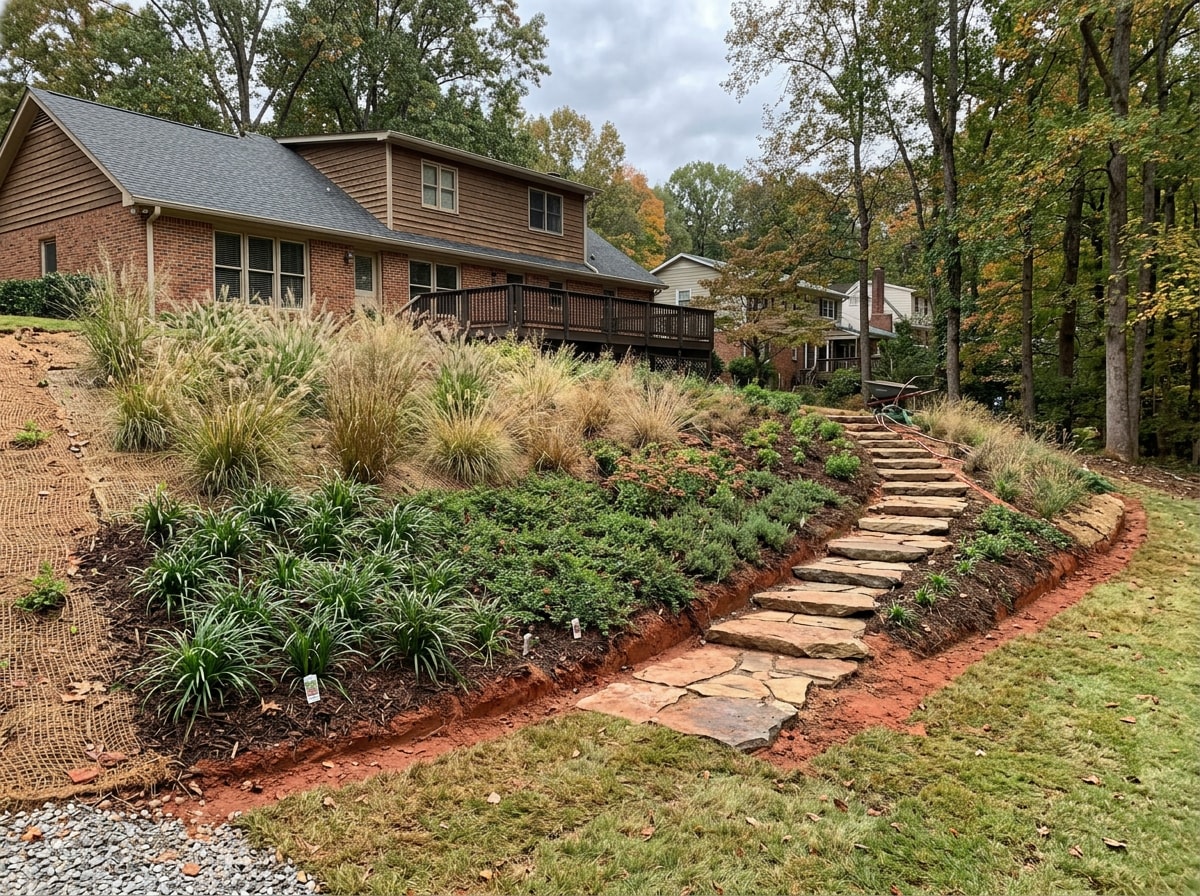
- Sloped lots benefit from erosion-control plantings, since native grasses and deep-rooted ground covers hold soil better than turf alone on a grade.
Pairing Softscape With Hardscape for a Complete Yard
Softscape rarely stands alone in a full yard plan. Beds and plantings typically frame a paver patio or soften the edges of a retaining wall, while proper site preparation upfront keeps grading and drainage from undoing the plant work later. Homeowners adding features like a fire pit or outdoor kitchen usually sequence softscape last, once the hardscape footprint is set.
At Paradise Backyards NC, we handle both sides of that equation for homeowners across Fuquay-Varina and the surrounding Triangle. You can see examples of completed softscape and hardscape pairings on our projects page, or review our full landscape contractor and hardscape contractor service lines before reaching out.
If you're ready to scope a project, get a free estimate and we'll walk your property, test the soil, and put together a plan suited to your specific lot.
FAQ
What services are included in professional landscaping?
Full-service landscaping typically includes custom design, softscape installation, planting, sod or seed, irrigation, and tree and shrub care, alongside hardscaping like patios and retaining walls.
What is the difference between hardscape and softscape?
Softscape covers living elements such as plants, sod, and ground cover, while hardscape covers non-living structural elements like patios, walls, and walkways. Both work together in a balanced design.
How do costs compare between hardscape and softscape?
Softscape projects generally cost less upfront than hardscape construction but carry higher ongoing maintenance costs over time. Exact pricing depends on plant selection, site conditions, and project size.
What are the maintenance differences between hardscape and softscape?
Softscape needs regular watering, pruning, and occasional replacement as plants mature or die back. Hardscape generally only needs periodic cleaning or minor repair, with far less routine upkeep.
Do I need both softscape and hardscape, or can I choose one?
Most yards use both. Hardscape creates the structure, like patios and walls, while softscape fills and softens that structure with plants, sod, and ground cover. A yard with only one or the other often looks unfinished or lacks function.
What's the best time of year to install softscape in Fuquay-Varina?
Fall and early spring are generally best for planting trees, shrubs, and sod in this part of North Carolina, since cooler temperatures reduce transplant stress and give roots time to establish before summer heat arrives.
Does Fuquay-Varina's clay soil really require different plant selection?
Yes. Clay drains slowly and compacts easily, so plants that tolerate wet feet and compacted roots, paired with proper soil amendment, establish far more reliably here than selections suited to sandier soil.